Our Story
How a passion for authentic South Indian cooking became Spice House.
Three Generations of Flavor
Every recipe at Spice House traces back to family kitchens in Tamil Nadu. Our chefs grind their own masalas each morning, cook biryani the dum way, sealed and slow, and never compromise on the spices that make South Indian food extraordinary. This is not fusion. This is the real thing, made the hard way, because it tastes better.
When Chef Anand Krishnamurthy opened Spice House in 2018, the goal was simple: bring the flavors of Tamil Nadu's home kitchens to Dallas without compromise. No cutting corners, no adaptation to Western palates — just the real thing, cooked the traditional way.
South Indian cuisine is one of the world's most complex culinary traditions. The spice blends — kalpasi, marathi mokku, stone flower, black stone flower — are found nowhere else in Indian cooking. The dum method of biryani seals flavor in a way that no other technique replicates. The fermented batter of a proper dosa takes two days to prepare before it touches the griddle.
We do all of this the hard way because our guests deserve the real experience — not a shortcut version of a cuisine that has been refined over centuries.
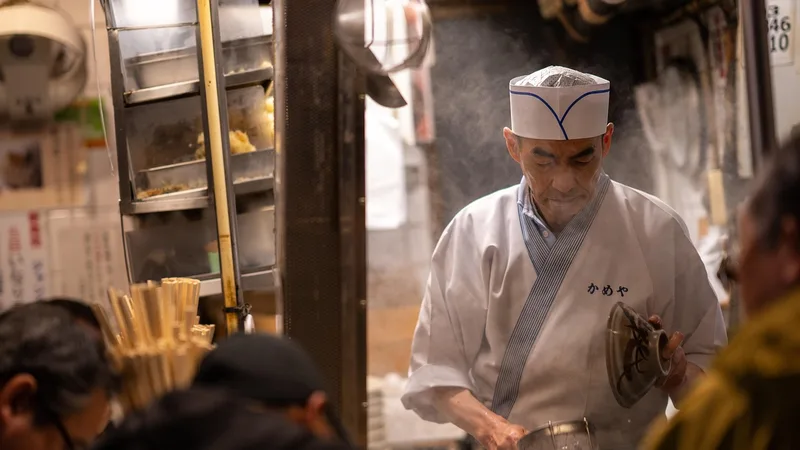
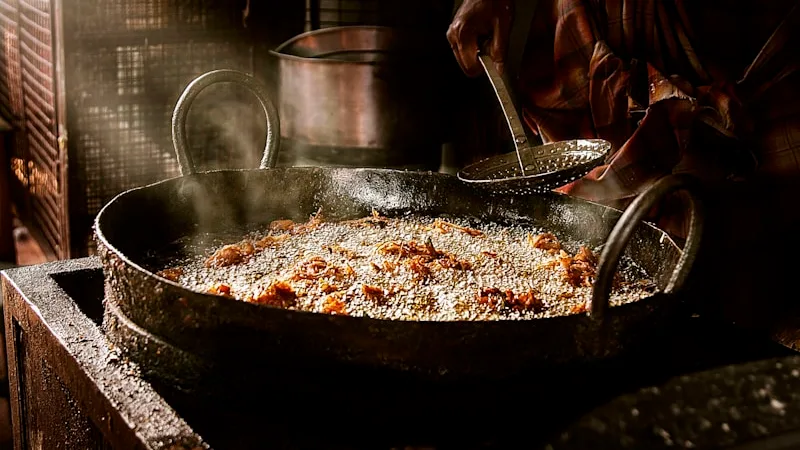
Our Food Philosophy
Dum-Cooked Daily
Biryani is sealed and slow-cooked in the dum style — no shortcuts, no steam bags.
Homemade Masala
Spices are sourced whole and ground fresh every morning in our kitchen.
Fresh Ingredients
Meat is sourced daily; herbs are fresh-cut; nothing is frozen or from a can.
Hygienic Kitchen
Food-safety certified kitchen. Every station is inspected and cleaned before service.
South Indian Cuisine: A Living Tradition
The Dosai tradition — fermented rice and lentil batter, stone-ground and left to rest for 48 hours — produces a crepe with a natural tanginess and crispness that cannot be replicated with shortcuts. Our batter is prepared fresh every two days.
Chettinad cooking originates from the Chettinad region of Tamil Nadu — a cuisine renowned for its bold, complex spice use. Ingredients like kalpasi (stone flower) and marathi mokku (dried flower pods) give Chettinad dishes their unmistakable depth. You won't find these in most Indian restaurants.
The dum biryani method — dum means "to breathe" — is named for the technique of cooking rice and meat together in a sealed vessel over slow heat. The steam circulates inside, letting the rice absorb the meat juices, saffron, and spices from below. The result is a unified dish, not rice served alongside a curry.
Come Experience It Yourself
Open Tue–Sun 11 AM – 10 PM · 456 Heritage Blvd, Dallas, TX 75201